
If you want to see some plant nerds fight (and trust me, you do) ask them what the definition of “Native Plant” encompasses. The answer has a spectrum of specificity, and what you hear depends on who you ask! ¯\_(ツ)_/¯
Truthfully, I used to more hardcore (a hardcore plant nerd, if you will) about my answer. But then started tracking what plants were actually available at local nurseries. And watching what customers actually purchased at said nurseries (hanging basket of petunias, anyone?)
That’s when I realized it was time to pivot!
A win is a win. And Nativars and West Coast/Southern USA natives are better than the majority of alternatives. Plus, let’s get real. Straight species are hard to find and delicate to grow.
Below are a few of my favorite natives I use when designing gardens in Pittsburgh. What I’m considering to be “native” includes both Nativars (a cultivated selection of a native plant, aka less genetically diverse) and plants that are native to other regions of the United States (such as the south, out west, etc.). And I’m not letting that definition keep me up at night!
So if you’re looking to plant some natives and support our Pittsburgh ecosystem, please consider these beautiful, native…ish plants instead of something that has no possibility of hosting native pollinators (and the thought of that does keep me up at night!)
Without further ado (or mention of my sleeping habits), here are:
My Favorite Native Plants for Pittsburgh Gardens:
Agastache
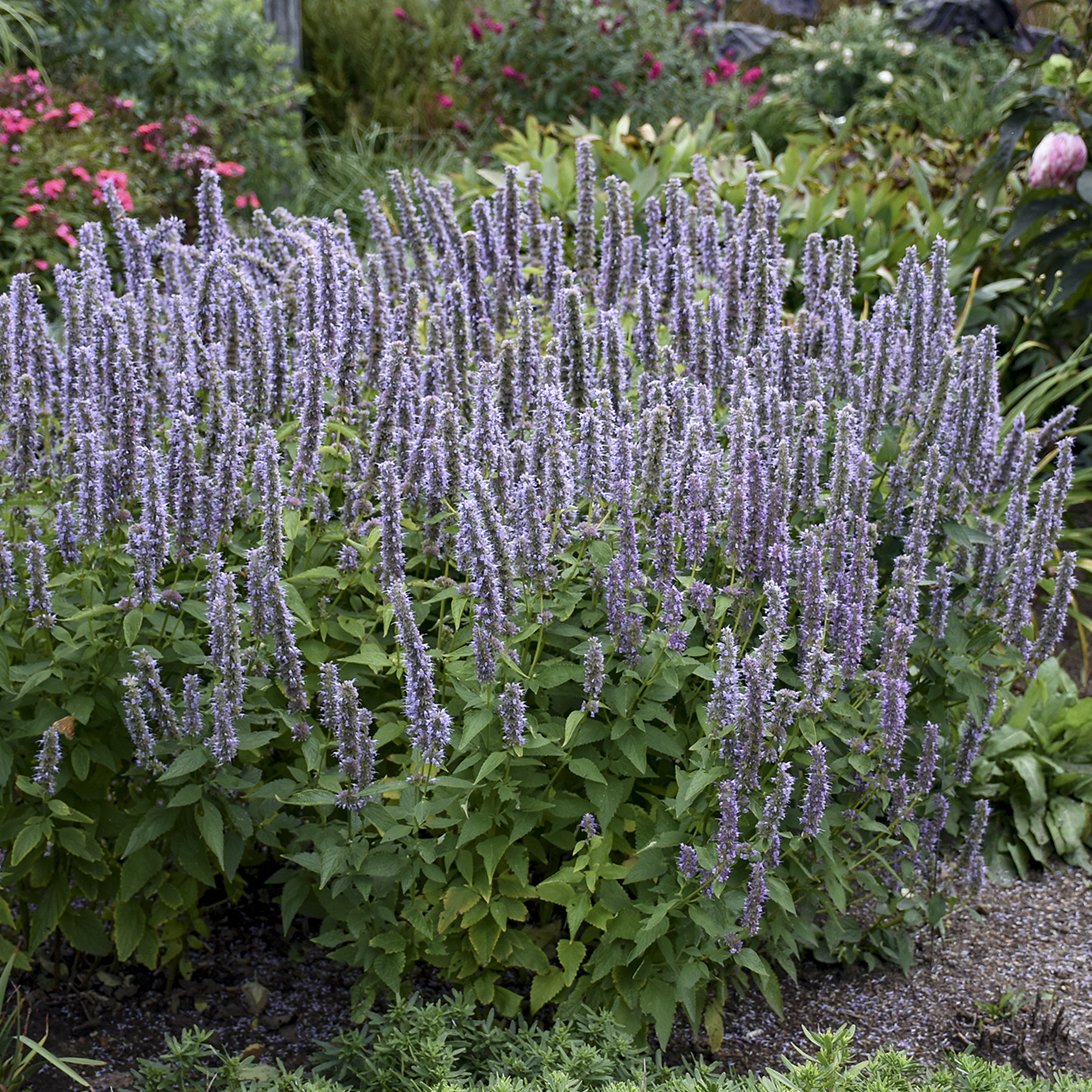
Photo courtesy of Walters Gardens, Inc.
What’s not to like? It blooms practically all summer, is swarmed by pollinators, and adds that romantic ‘purple spike’ to your flower beds.
It likes full sun, though it tolerates a bit of shady. Not fussy about soil either, though i’m sure it wouldn’t like sitting in water all day. Oh! And it has a nice minty smell. Which is probably why the deer don’t touch it.
Coreopsis
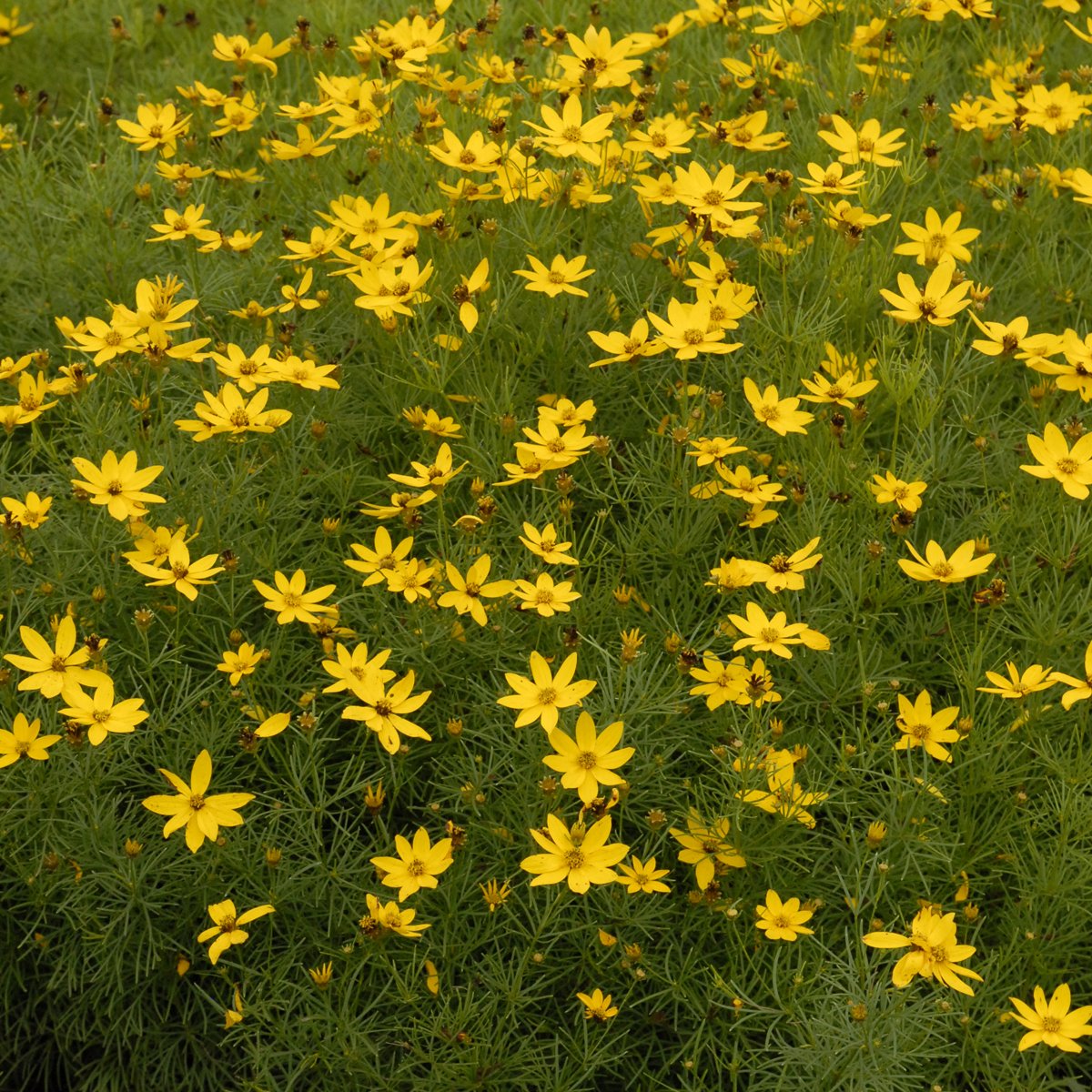
Photo courtesy of Walters Gardens, Inc.
On the topic of “blooms all summer” and “isn’t fussy” here is another garden workhorse. This one has that classic round daisy-esque shape that screams “summer!” and "flowers!” and makes pollinators scream “yum!”
The pale yellow 'Moonbeam' cultivar is easy to find at nurseries, but there are plenty of other varieties out there, so take your pick!
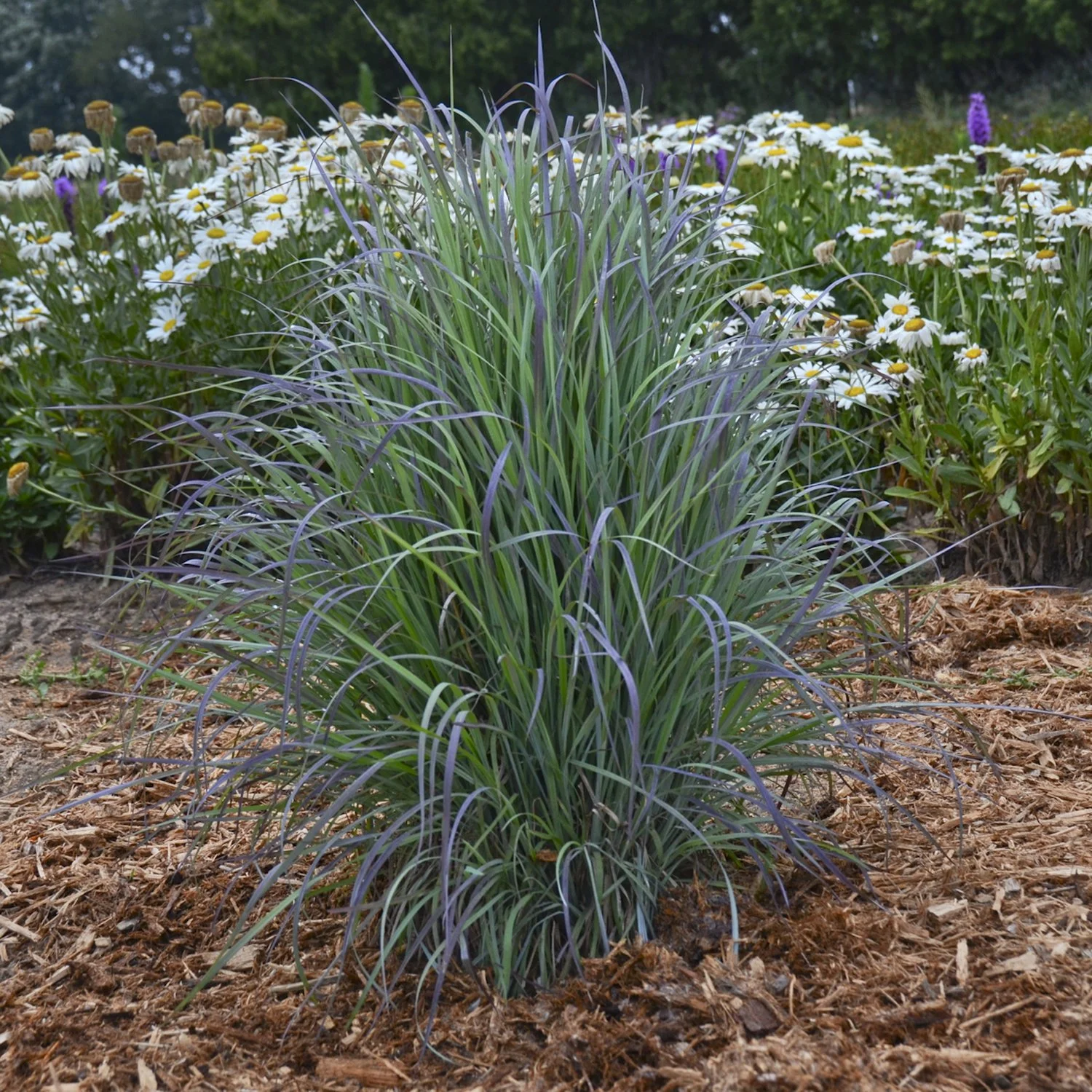
Little Bluestem
Schizachyrium scoparium
Photo courtesy of Walters Gardens, Inc.
Look at that picture! It’s practically glowing! That’s ‘Twilight Zone’, my favorite Little Bluestem cultivar. It adds height and foliage contrast while filling space in the garden.
You’ll find plenty of other Bluestem cultivars when shopping, including: ‘Standing Ovation’ (redder), and ‘Cinnamon Sticks’ (stiffer). It’s a native grass, meaning it tolerates deer + clay soil + drought = you can’t go wrong.
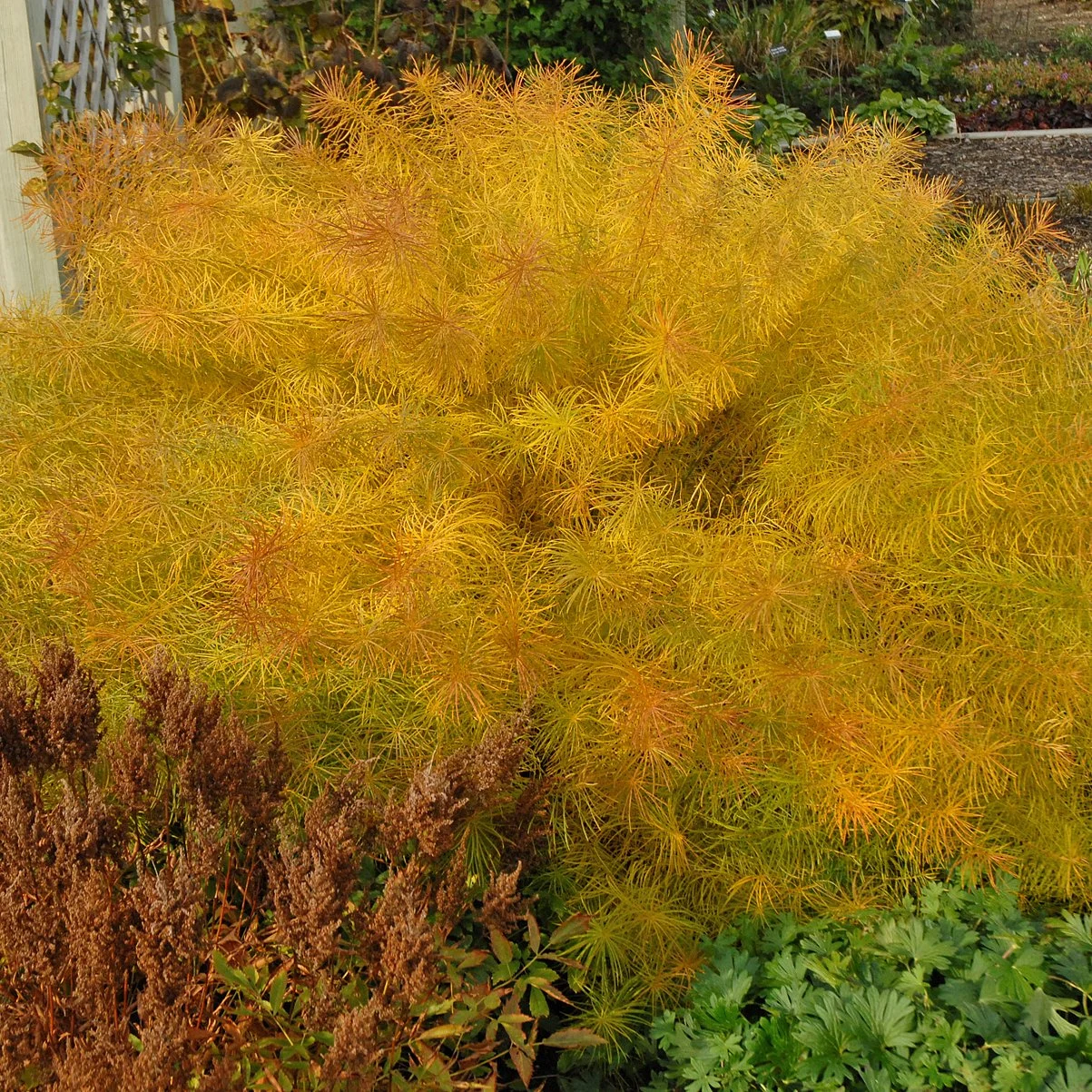
Bluestar Amsonia
Amsonia hubrichtii
Photo courtesy of Walters Gardens, Inc.
I’m bypassing the blue flowers (yes, BLUE flowers) and the soft ferny foliage (hello, contrast!) to discuss the fall color! This perennial gives and gives and then the autumn comes, and it gives again!
Plant in groups of 3 for a better impact. “String Theory” is a smaller cultivar. Tolerates clay!
Baptisia
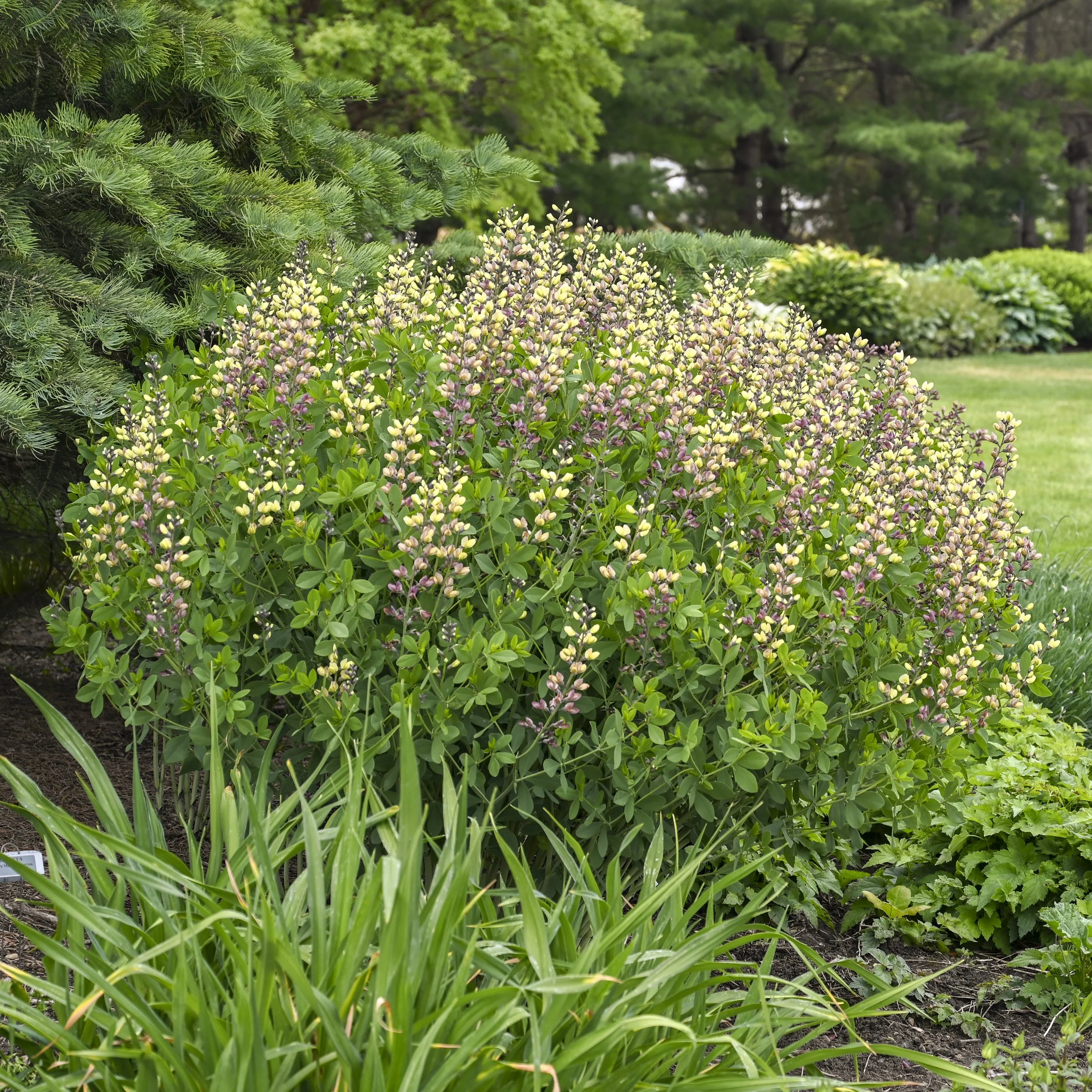
Photo courtesy of Walters Gardens, Inc.
Baptisia offers a solid, commanding presence like a shrub, but dies down to the ground each spring. Plant something low front of it because it has… let’s say… naked shins? Comes in a million colors, ‘Pink Lemonade’ is above.
Wants sun. Give it SPACE. It will get much bigger than you imagine! Tolerates poor soil!
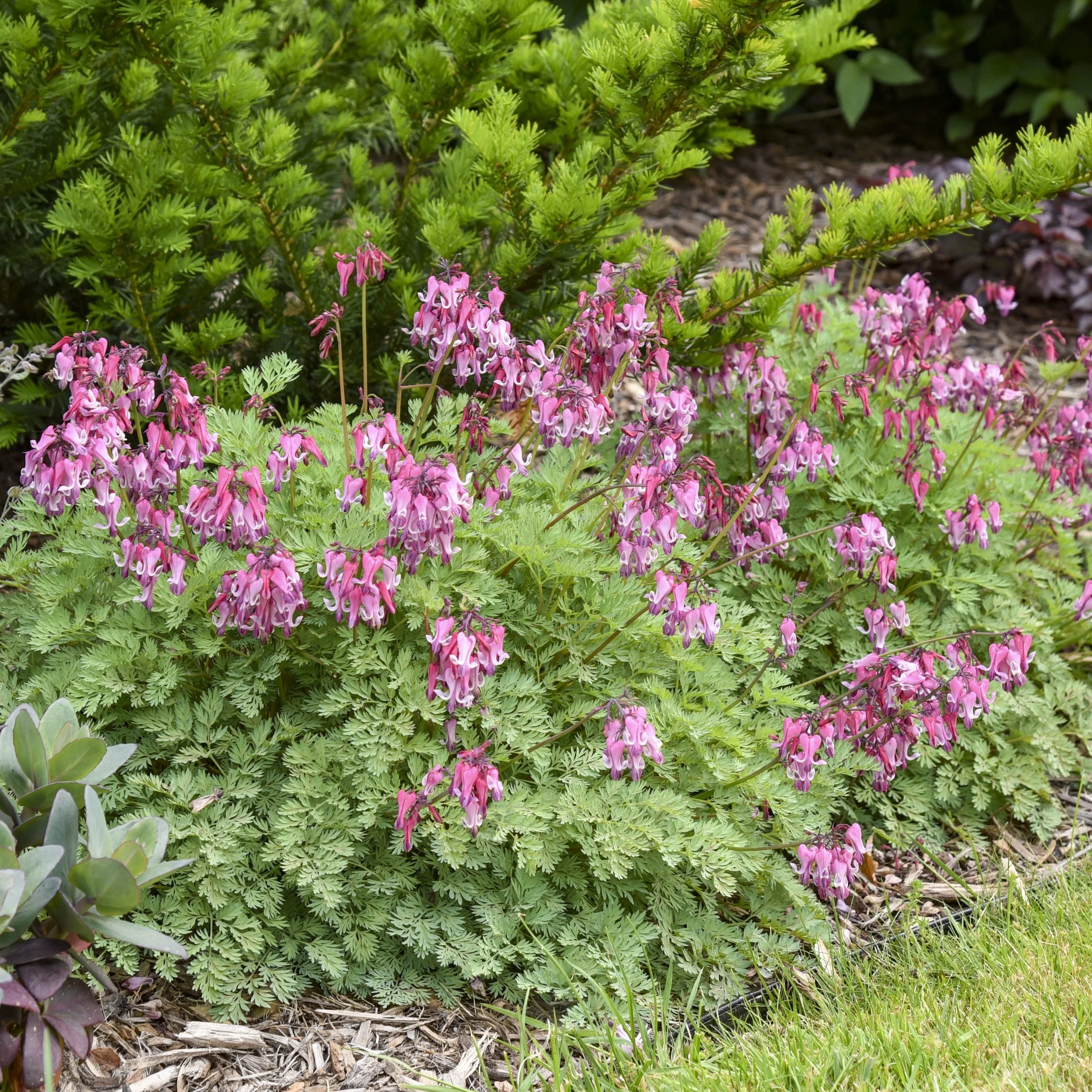
Fringed Bleeding Heart
Dicentra eximia
Photo courtesy of Walters Gardens, Inc.
Something for the shade garden!
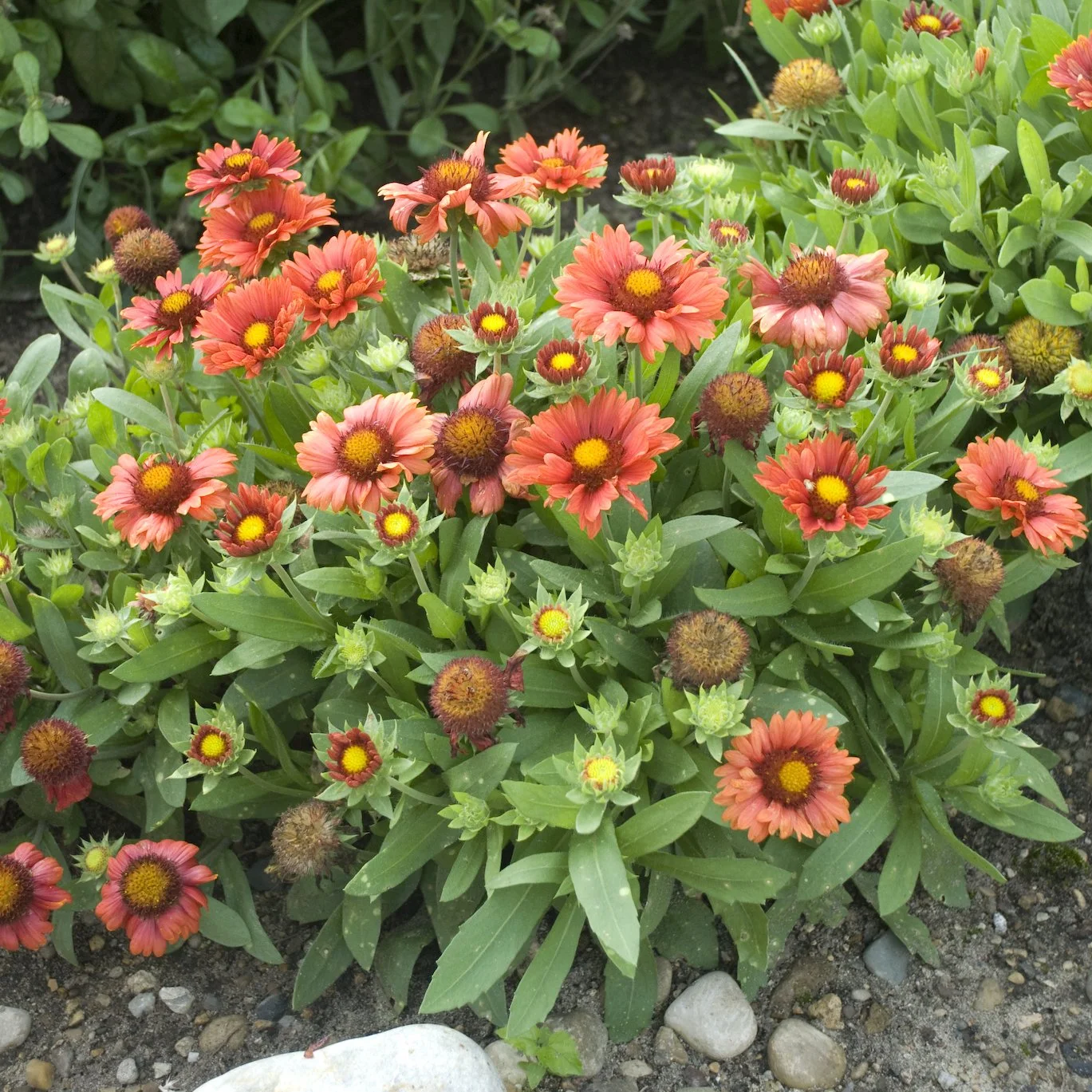
Blanket Flower
Gaillardia
Photo courtesy of Walters Gardens, Inc.
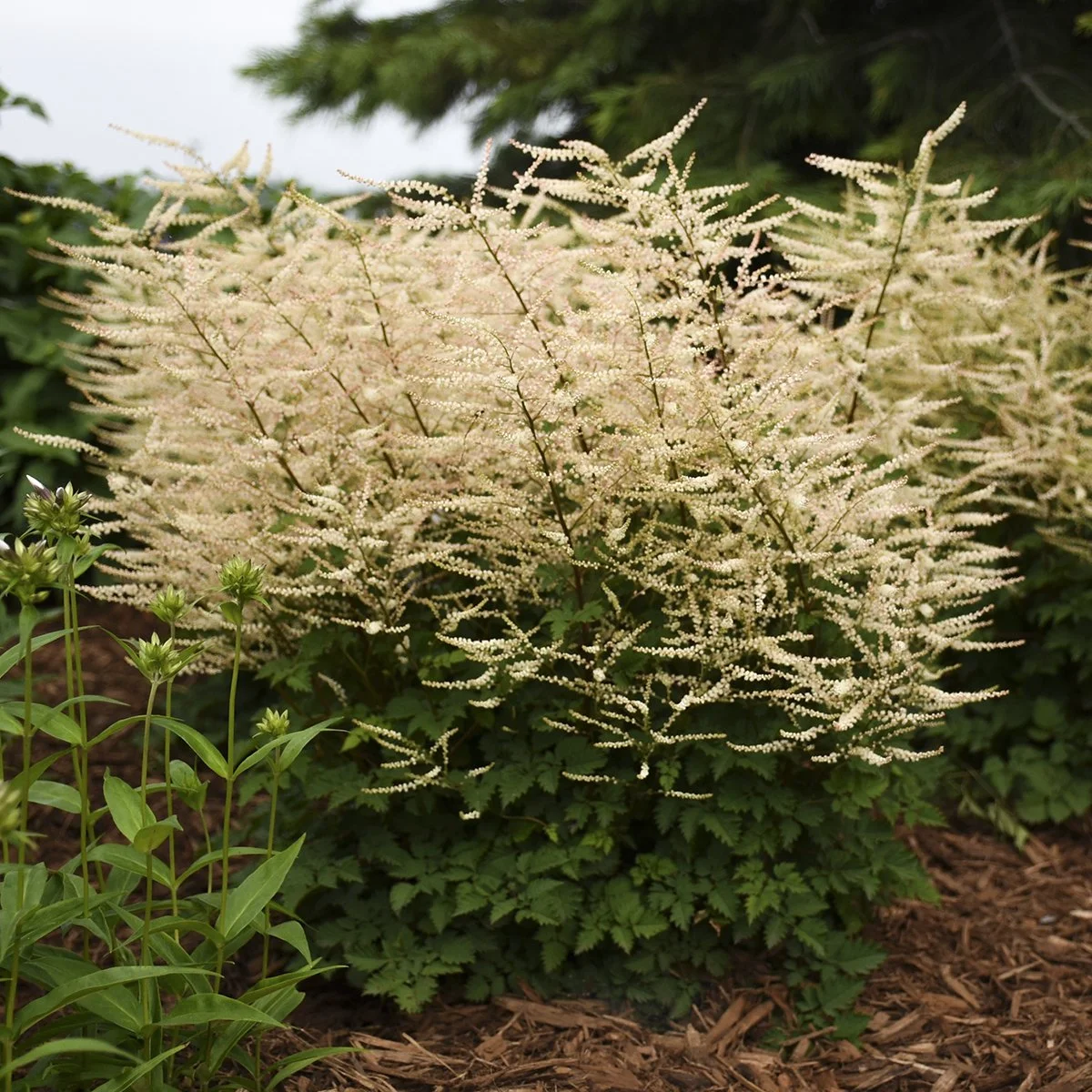
Goat's Beard
Aruncus
Photo courtesy of Walters Gardens, Inc.
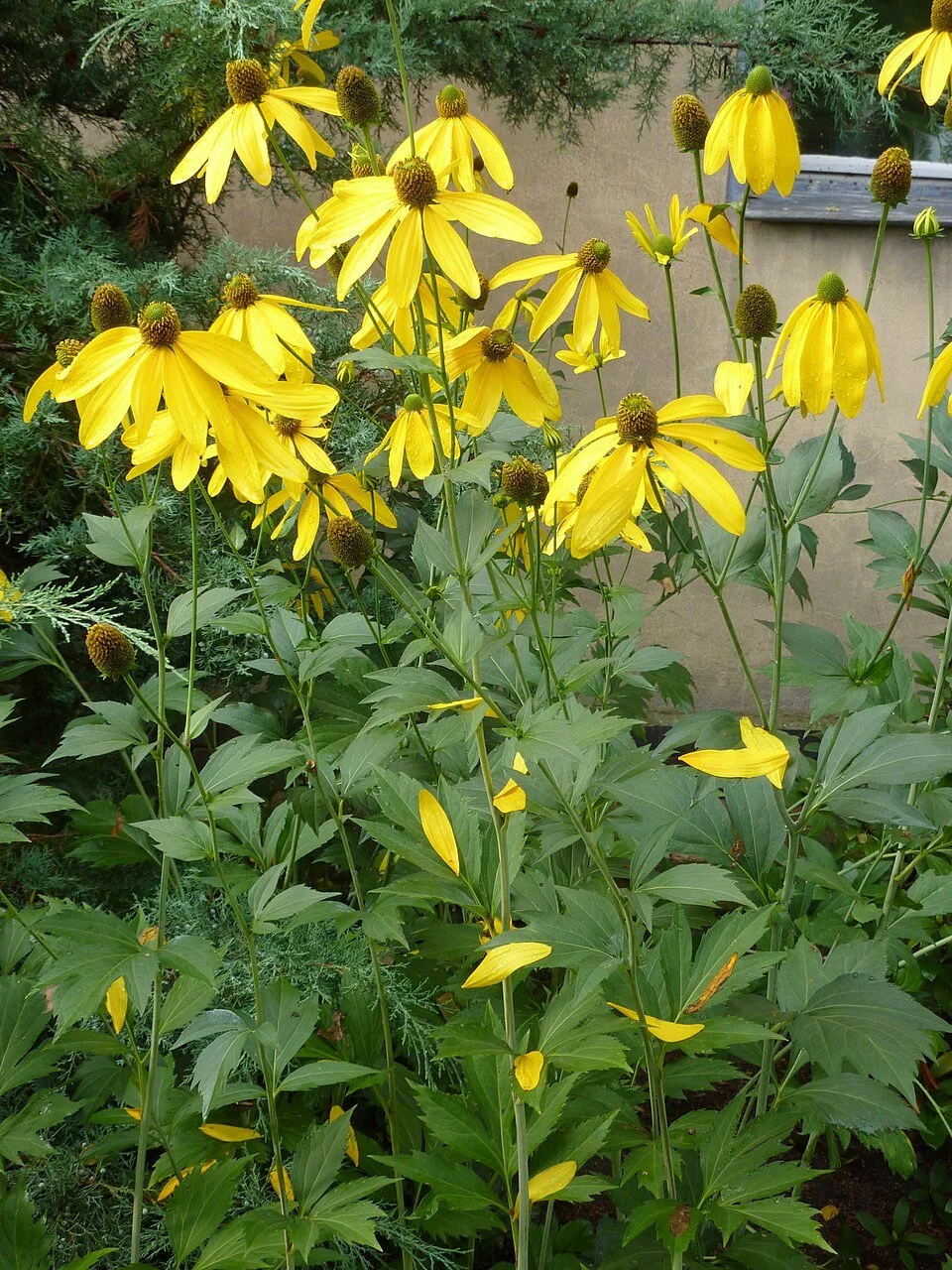
Cutleaf Coneflower
Rudbeckia laciniata
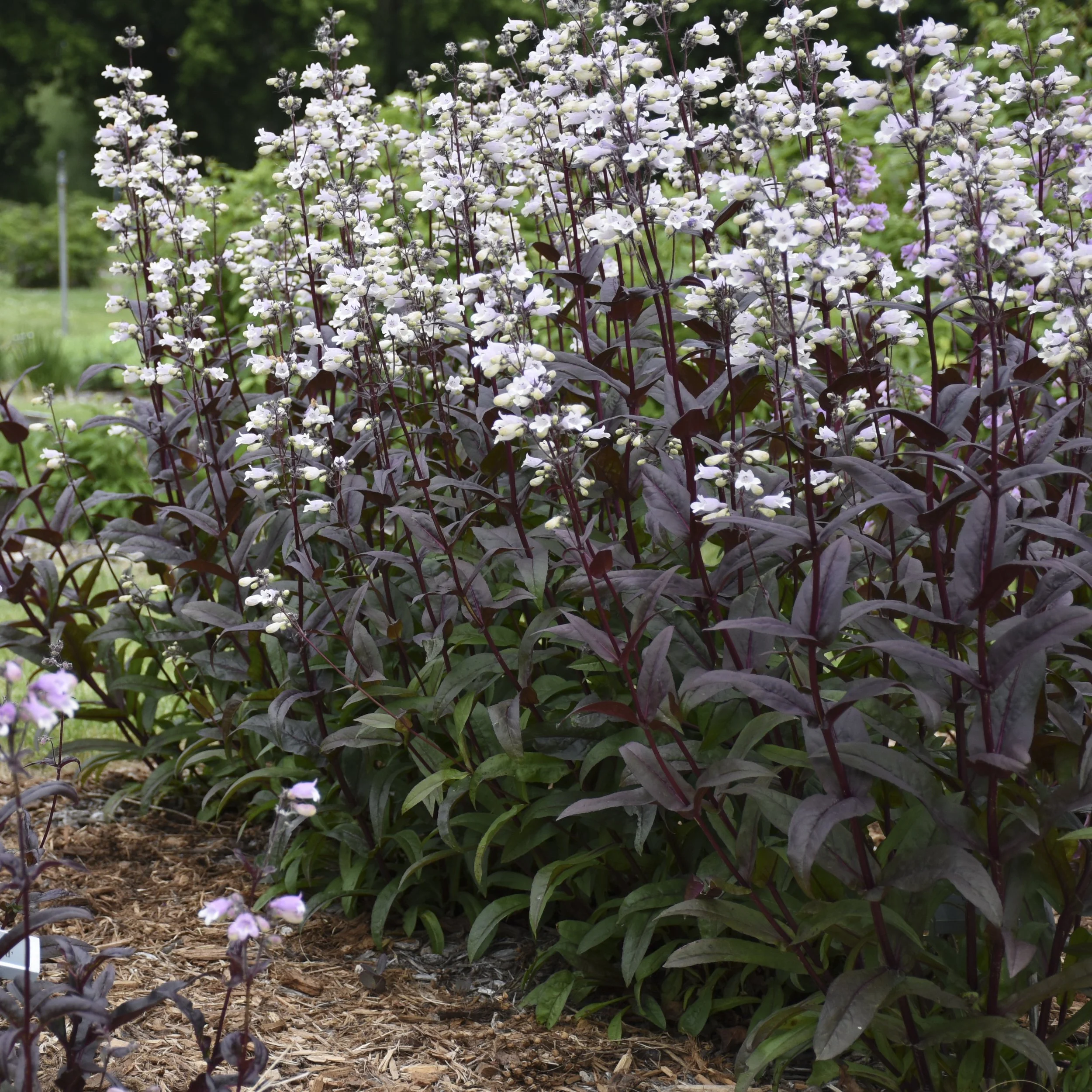
Beardtounge
Penstemon
Photo courtesy of Walters Gardens, Inc.
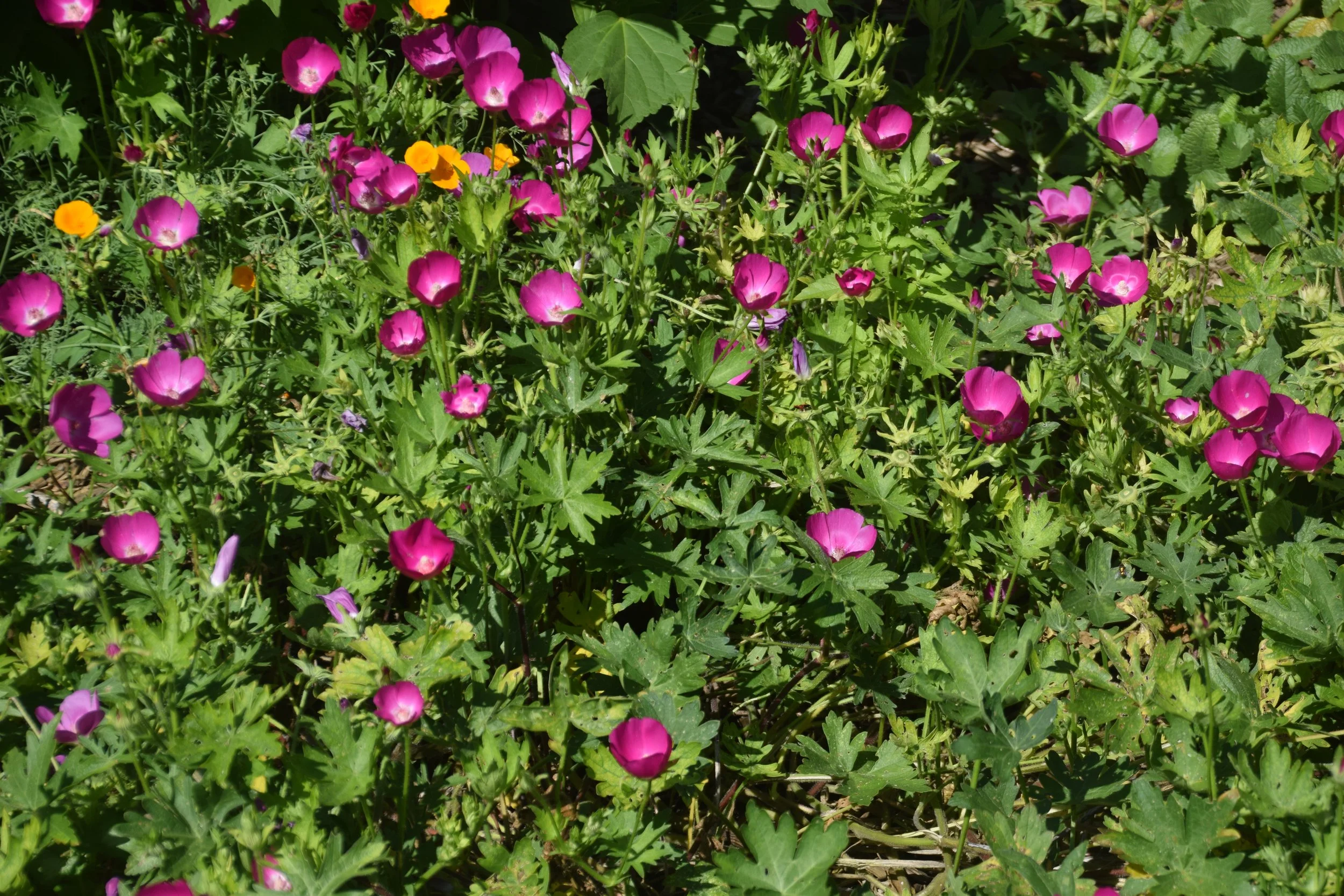
Purple Poppy Mallow
Callirhoe involucrata
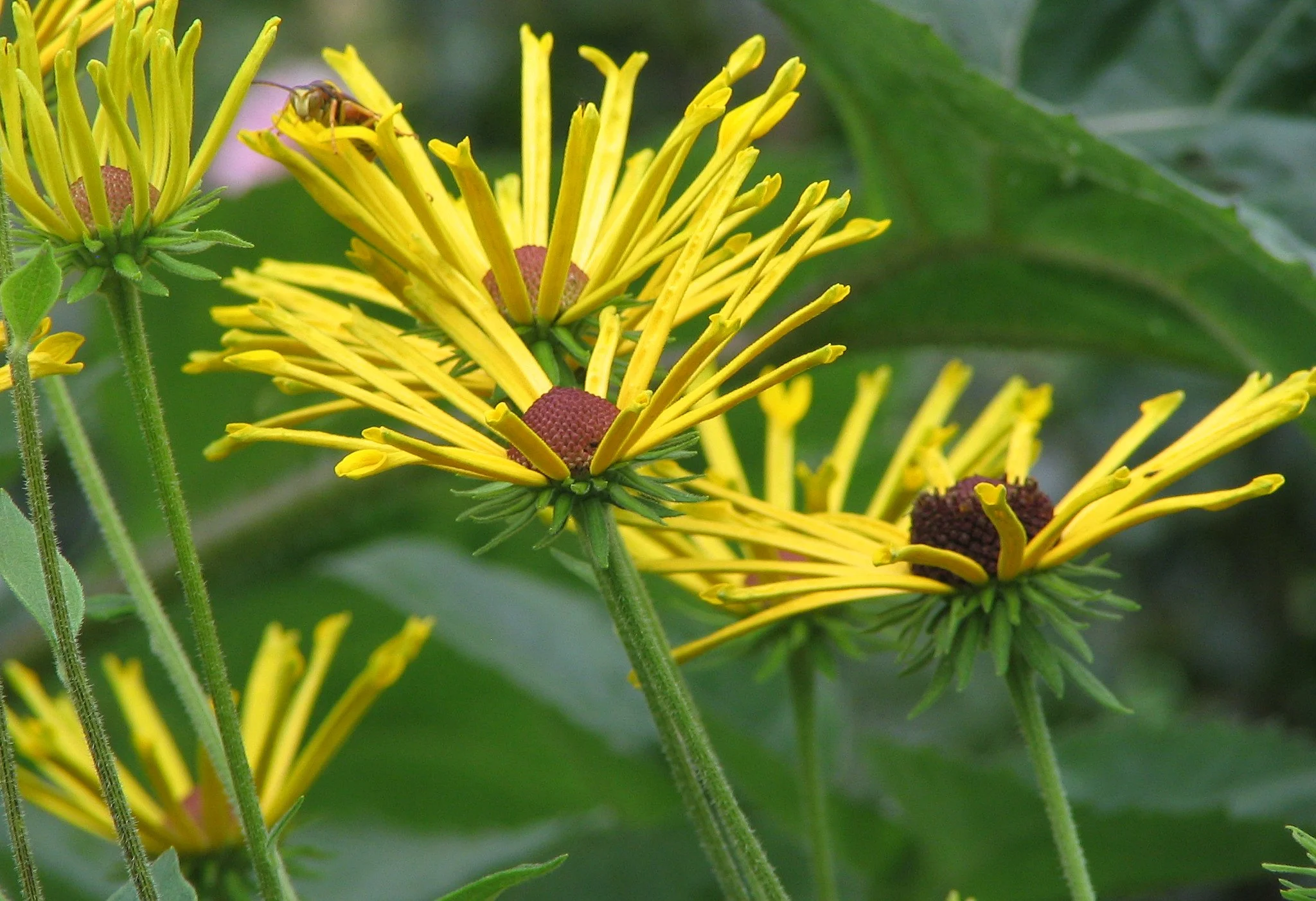
Sweet Coneflower
Rudbeckia subtomentosa ‘Henry Eilers’
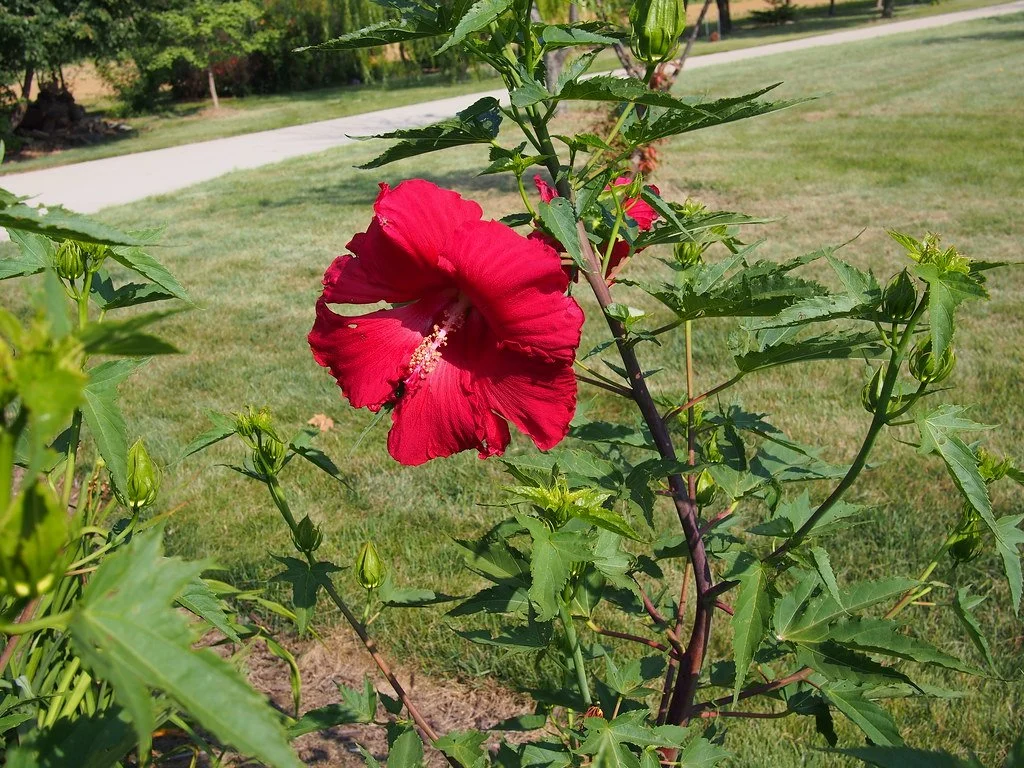
Hardy Hibiscus
Hibiscus ‘Lord Baltimore’
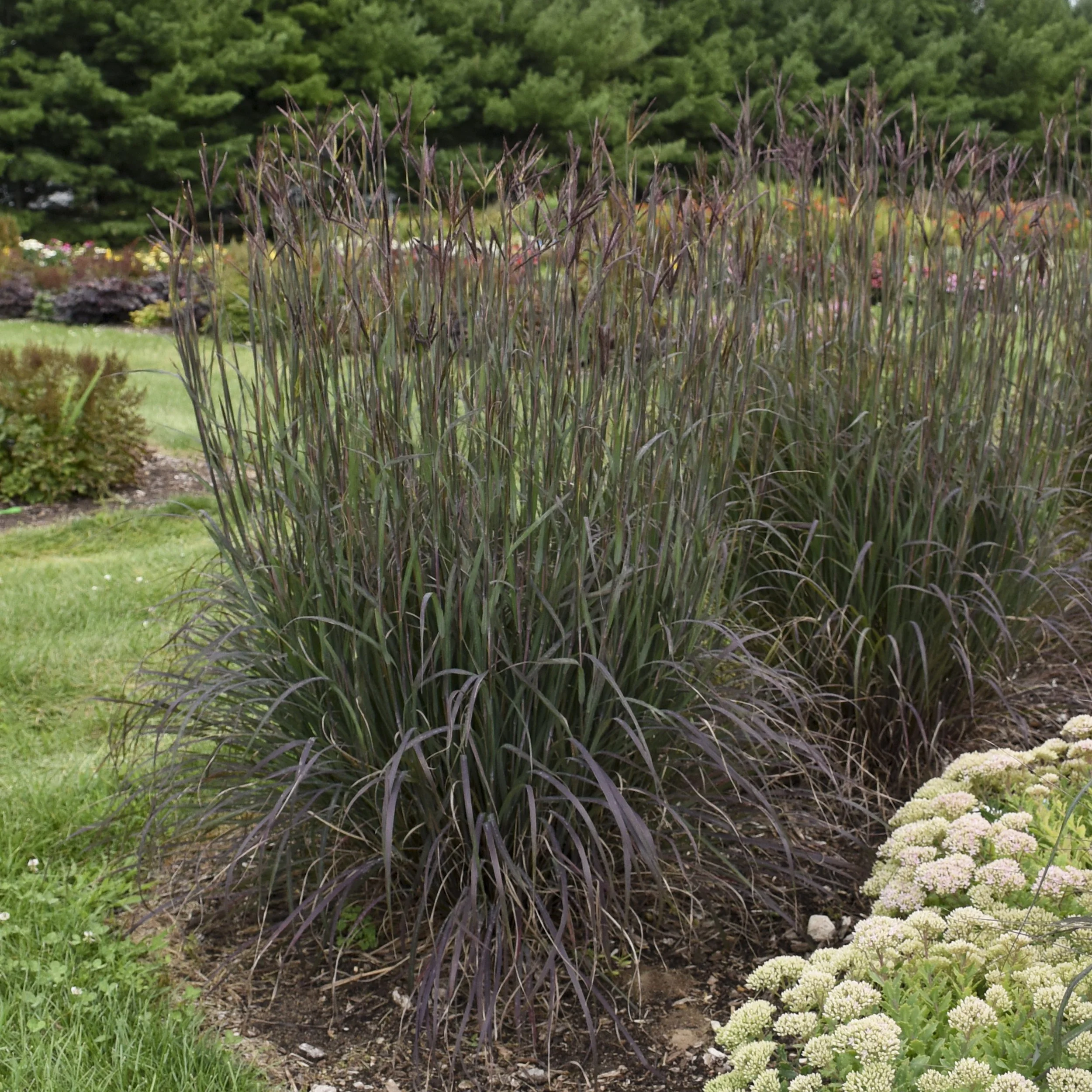
Big Bluestem ‘Blackhawks’
Andropogon gerardii ‘Blackhawks’
Photo courtesy of Walters Gardens, Inc.
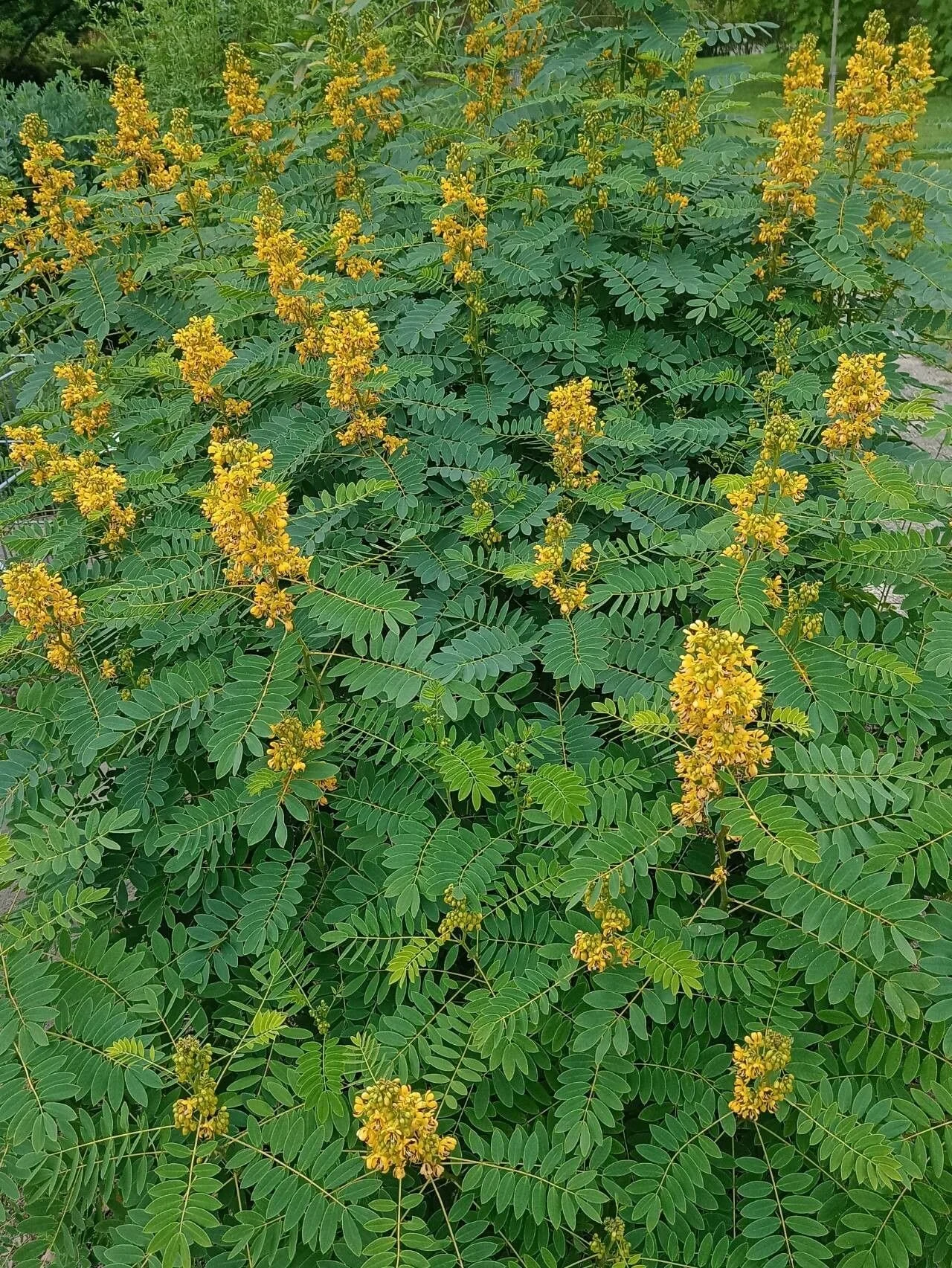
Wild Senna
Senna hebecarpa